


We help to show the value of the EU policy cycle from the recognition of a problem, to the implementation of an intervention, all the way through to the evaluation of a policy.
Our experience

lies in undertaking policy research, evaluations, impact assessments and related studies in the fields of fundamental rights, justice, home affairs, health, education and different aspects of digitalisation

We are experts
in research methods and techniques, regularly conducting literature reviews, legal analyses, extensive stakeholder engagement exercises, economic reviews and cost-effectiveness analysis, impact assessments and evaluation
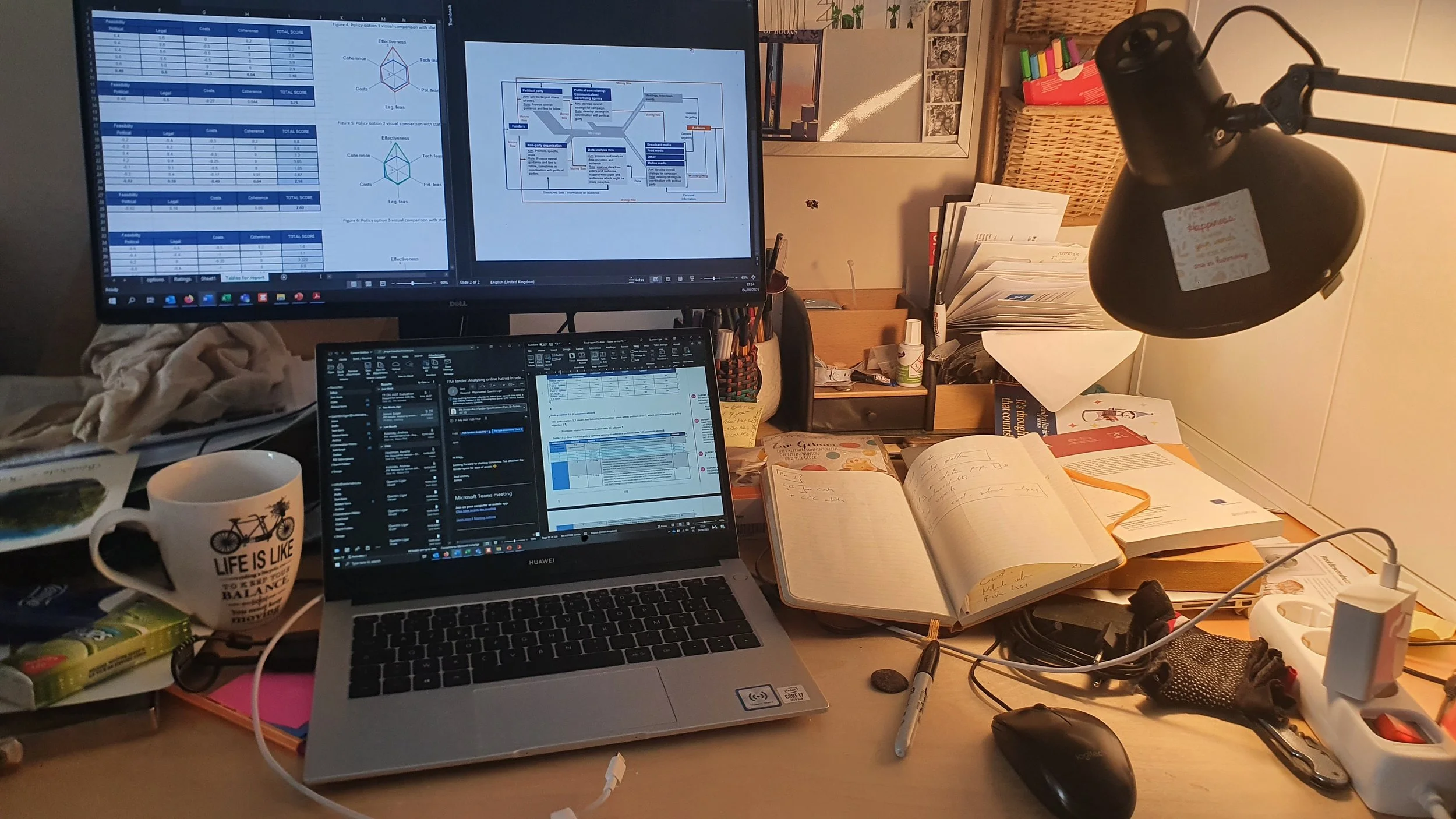
This study, commissioned by the European Parliament’s Policy Department for Citizens’ Rights and Constitutional Affairs at the request of the Committee of Inquiry to investigate the use of Pegasus and equivalent surveillance spyware (PEGA), provides a description of the legal framework (including oversight and redress mechanisms) governing the use of Pegasus and equivalent spyware in a selection of Member States.
The use of Pegasus and equivalent surveillance spyware
2023
European Parliament - PEGA
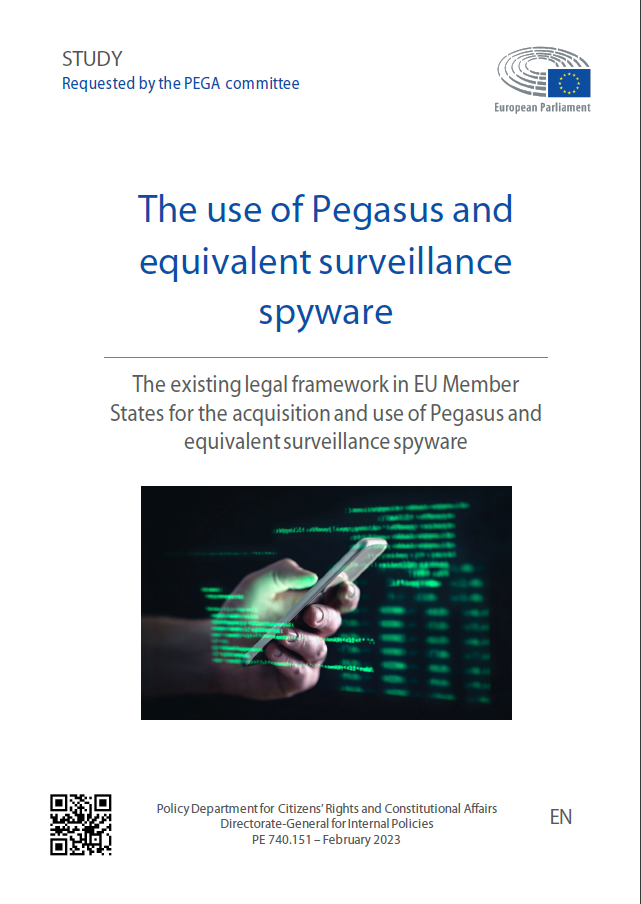
Pre-trial detention is widely perceived as one of the most important problems in the field of criminal procedure at EU level. This exploratory study on pre-trial detention was commissioned by the European Commission’s Directorate-General for Justice and Consumers as an update to a 2016 study on a potential measure on pre-trial detention1.
Rights of suspects and accused persons who are in pre-trial detention (exploratory study)
2022
European Commission - DG JUST
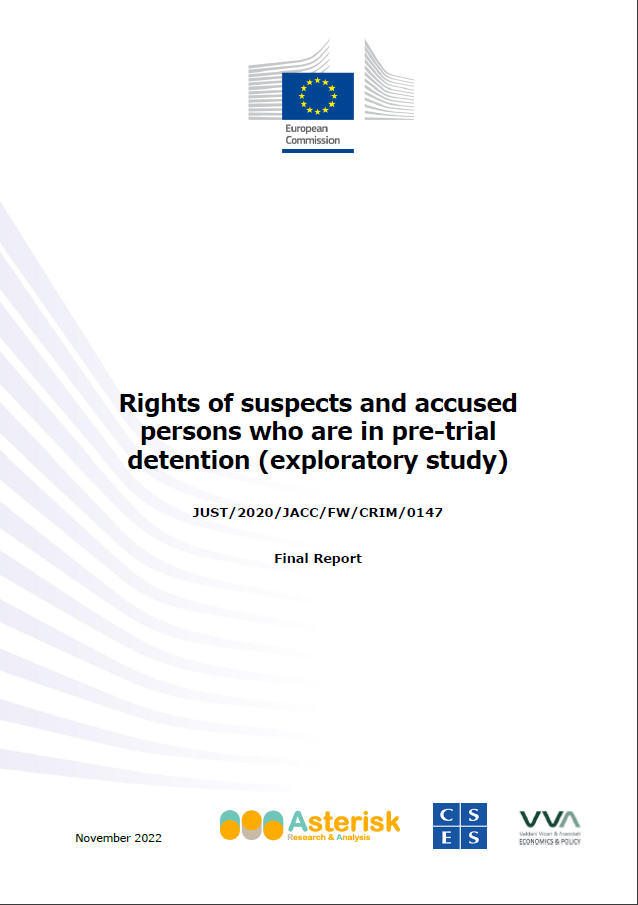
European Parliament - LIBE
Right-wing extremism in the EU
2022
This study, commissioned by the European Parliament’s Policy Department for Citizens’ Rights and Constitutional Affairs at the request of the LIBE Committee, provides a discussion on the distinctive features of right-wing extremism as well as of violent actions perpetrated by right-wing extremists in the EU. It gives an overview and analysis of definitions, recent trends and responses to these actions and concludes with recommendations. In particular, the study highlights the need to develop a working definition of right wing-extremism in order to provide a better framework for understanding, studying and measuring the phenomenon.
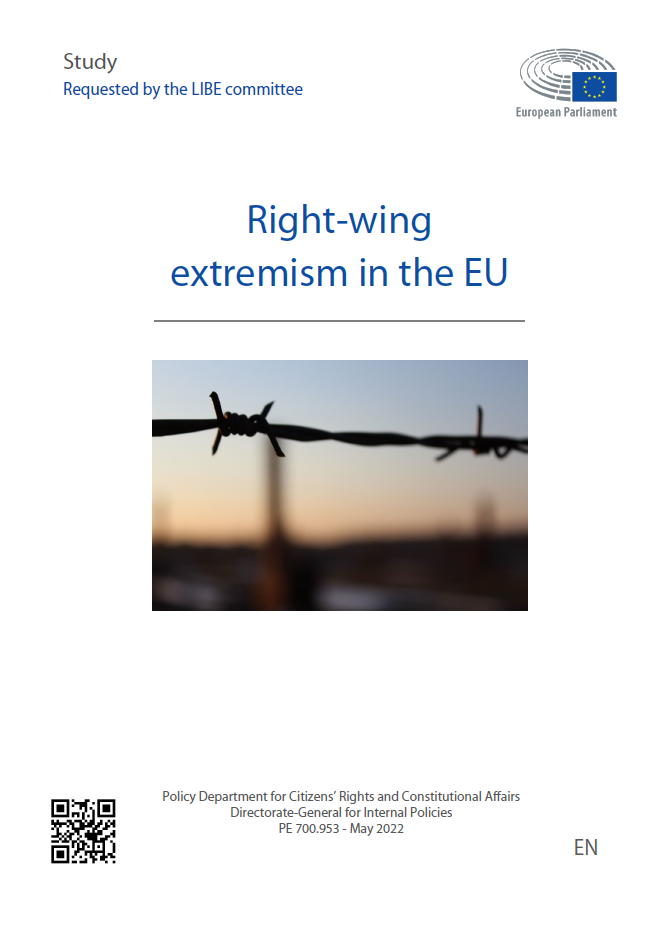
Mirja Gutheil

Mirja is a Director of Asterisk Research and Analysis GmbH.
She is an experienced researcher and has over 14 years of professional experience in undertaking evaluations, impact assessments and other studies for the European Institutions. Overall, she has directed, managed or contributed to more than 50 assignments for the European Commission, European Parliament and several EU agencies.
Mirja’s areas of expertise are justice and consumers, home affairs, employment, research & innovation as well as education & culture policies, with “digital policies” as a cross-cutting theme.
She has extensive experience in different qualitative and quantitative research and evaluation methodologies. This includes, but is not limited to, sampling methods and mapping exercises, development and implementation of online surveys, large-scale survey analysis, face-to-face and telephone interview programmes, and case studies.
Mirja actively participates in the European Evaluation Society, regularly presenting at its conferences on evaluation and research concepts and methods, as well as the European Society of Criminology Conference.
Mirja holds an MSc in European Public Policy from University College London, and an MA in History, Politics and International Law from the University of Bonn (Germany). Mirja is fluent in English and German and has a basic command of the French language.
Quentin Liger

Quentin is a Director of Asterisk Research and Analysis.
He has over 14 years’ experience in conducting research and analysis of public sector clients, in particular impact assessments and evaluations. His areas of expertise include Justice and Home Affairs, Fundamental Rights, and the digitalisation of the public sector. Beyond this, Quentin has worked on projects covering a wider spectrum of policy areas such as education and culture, the internal market, transport, employment and so on.
He has co-authored a number of studies for the European Commission and European Parliament, often presenting findings to the relevant committee (LIBE, EMPL, IMCO). He is a regular contributor to the European Evaluation Society Conference and the European Society of Criminology.
Quentin speaks Italian and English in addition to his native French and holds a BA in history from University College London and an MA in politics from the School of Slavonic and East European Studies.
In his spare time, Quentin enjoys reading and is a keen cyclist.
Contact us.